Source Metal Sleeve and Bushings Set for Auto Repair, Machinery, and CNC Parts
Find and compare 30 listings for metal sleeve and bushings set components tailored for auto repair, metal spinning machinery, and CNC machining applications. Evaluate specifications such as material, tolerance, and customization options to identify suitable suppliers for your industrial needs.
Key considerations
Products List


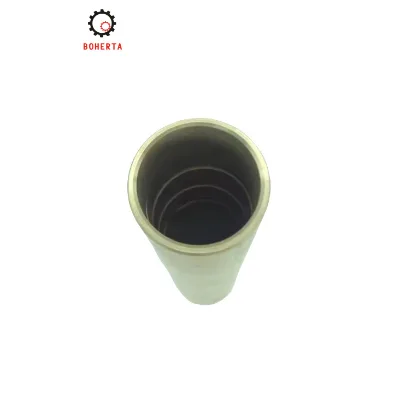


Comprehensive Sourcing Guide
Metal Sleeve and Bushings Set Sourcing Guide
Procuring metal sleeve and bushing sets requires a disciplined approach to distinguishing between standard off-the-shelf components and custom-engineered solutions. The observed market data indicates a diverse range of products, from digital tire gauges to precision CNC-machined parts, suggesting that "bushing" is a broad category term that encompasses various mechanical functions. Buyers must first clarify whether they require a specific type of bushing, such as a rubber-metal sleeve for automotive suspension or a brass adapter sleeve for industrial machinery, to avoid misalignment with supplier capabilities. This initial classification is critical because the manufacturing processes, material requirements, and quality control standards differ significantly between these sub-categories.
The sourcing landscape for these components is characterized by a mix of standard and customized offerings, with a notable presence of suppliers offering OEM and ODM services. The observed price range of $0.04 to $500 per unit reflects the vast disparity in complexity, material cost, and precision requirements across the category. For instance, simple plastic or basic metal parts may fall at the lower end, while high-precision CNC-machined stainless steel or titanium components command premium pricing. Understanding this variance helps buyers set realistic budget expectations and negotiate terms that align with the specific technical demands of their application, ensuring that cost is not the sole determinant of supplier selection.
Product Scope and Observed Listing Signals
The product scope for metal sleeve and bushing sets is extensive, covering applications from auto repair tools to metal spinning and straightening machinery. High-confidence facts indicate that suitable car brands include Volvo, Audi, Toyota, BMW, and Benz, particularly for rear-position components. This automotive focus suggests that many suppliers specialize in replacement parts for vehicle suspension and steering systems, where rubber-metal sleeve bushings are common. Buyers should verify if the supplier has specific experience with their vehicle make and model, as fitment issues can arise if the bushing dimensions or material properties do not match the original equipment manufacturer's specifications.
Beyond automotive applications, the listings reveal a strong presence of industrial machinery components, including those for metal cutting, recycling, and straightening machines. The observed materials include 45# High Carbon Steel, Brass, Stainless Steel, Aluminum, and Titanium, indicating that suppliers can handle a wide range of material requirements. The "Universal" attribute varies across listings, with some marked as "Yes" and others as "No," which is a critical signal for buyers. A "No" designation typically implies a custom or specific-fit part, requiring precise dimensional data, whereas "Yes" suggests a standard part that can be used across multiple applications. Clarifying this attribute early in the sourcing process prevents costly rework or rejection of non-conforming parts.
Technical Specifications to Verify
Precision is paramount when sourcing metal sleeves and bushings, and buyers must verify dimensional tolerances with extreme care. The observed tolerance of +-0.05mm for certain custom-made parts highlights the high level of accuracy required in many applications. This tolerance is tight enough to affect the performance of machinery, such as in metal spinning or straightening equipment, where even minor deviations can lead to operational inefficiencies or part failure. Buyers should provide detailed engineering drawings or CAD files to suppliers and confirm that the supplier's CNC machining capabilities, including milling and turning, can consistently meet these tolerances. It is essential to request sample parts for dimensional verification before committing to large-volume orders.
Material selection is another critical technical specification that must be aligned with the operational environment of the bushing. The observed materials include 45# High Carbon Steel for durability, Brass for corrosion resistance and low friction, and Stainless Steel for high-strength applications. For rubber-metal sleeve bushings, the material composition of both the metal core and the rubber layer must be specified to ensure compatibility with the intended load and environmental conditions. Surface treatments, such as chrome plating, may also be required to enhance wear resistance or corrosion protection. Buyers should confirm the specific material grade and any surface treatment processes with the supplier, ensuring that the final product meets the mechanical and chemical requirements of the application.
Compliance and Safety Documentation
Compliance with international standards is a key consideration for B2B procurement, and buyers should request documentation proving adherence to recognized quality management systems. The observed certifications include ISO, CE, and ISO 9001:2015, which indicate that suppliers have implemented quality management processes that meet international benchmarks. While the presence of these certifications is a positive signal, buyers should verify the scope of the certification to ensure it covers the specific products being procured. For example, an ISO 9001 certification confirms that the supplier has a quality management system in place, but it does not guarantee that every product meets specific performance standards. Buyers should request certificates of conformity or test reports for specific batches to ensure ongoing compliance.
Safety documentation is particularly important for components used in automotive and heavy machinery applications, where failure can lead to significant safety risks. Buyers should ensure that suppliers provide material safety data sheets (MSDS) for any chemical treatments or coatings applied to the bushings, such as chrome plating. Additionally, for automotive parts, compliance with specific industry standards, such as those from SAE or ISO, may be required. Although the observed data mentions standards like GB and DIN, buyers should confirm which specific standards apply to their application and request evidence of compliance. This documentation serves as a legal and technical safeguard, ensuring that the procured components meet the necessary safety and performance criteria.
Cost Drivers and Commercial Terms
The cost of metal sleeve and bushing sets is influenced by several factors, including material cost, manufacturing complexity, and order volume. The observed price range of $0.04 to $500 per unit reflects the wide variation in these factors. High-carbon steel and stainless steel components tend to be more expensive than brass or aluminum parts due to material costs and machining difficulty. Custom-made parts with tight tolerances, such as those with a +-0.05mm tolerance, also command higher prices due to the increased precision required in CNC machining. Buyers should request detailed quotations that break down costs by material, labor, and overhead, allowing them to identify areas where cost reductions may be possible without compromising quality.
Commercial terms, including minimum order quantities (MOQ) and lead times, also play a significant role in the total cost of ownership. The observed MOQ range of 1 to 2000 units indicates that suppliers are flexible in their order requirements, but buyers should negotiate terms that align with their inventory management strategy. For example, a lower MOQ may be suitable for prototyping or small-batch production, while a higher MOQ may offer better unit pricing for large-scale manufacturing. Lead times, such as the observed 20 days for custom parts, should be factored into the production schedule to avoid delays. Buyers should also consider shipping costs, with options like UPS, DHL, and air freight available, and choose the most cost-effective method based on the urgency and volume of the order.
Supplier Qualification and Quality Control
Qualifying suppliers for metal sleeve and bushing procurement involves assessing their manufacturing capabilities, quality control processes, and track record. The observed data indicates that suppliers offer services such as OEM and ODM, suggesting that they have the capability to work with custom designs and specifications. Buyers should request samples of previously manufactured parts to evaluate the supplier's machining precision and surface finish. Additionally, suppliers should provide evidence of their quality control processes, such as incoming material inspection, in-process checks, and final product testing. This ensures that the supplier has a robust system in place to detect and prevent defects before the parts are shipped.
The location of the supplier can also impact quality control and logistics. The observed origins include Jiangsu, Ningbo, Zhejiang, and China, indicating a concentration of suppliers in these regions. Buyers should consider the proximity of the supplier to their own location or distribution center to minimize shipping times and costs. Additionally, suppliers located in regions with a strong manufacturing infrastructure, such as Zhejiang and Ningbo, may have access to a wider network of sub-suppliers and service providers, which can enhance their ability to meet complex requirements. Buyers should conduct site visits or virtual audits to verify the supplier's facilities, equipment, and quality control practices, ensuring that they have the capacity and capability to deliver high-quality parts consistently.
Long-Term Procurement Checks
Establishing a long-term procurement relationship with a supplier for metal sleeve and bushing sets requires ongoing monitoring and performance evaluation. Buyers should track key performance indicators (KPIs) such as on-time delivery, defect rate, and responsiveness to technical queries. The observed lead time of 20 days for custom parts should be used as a baseline for evaluating supplier performance, with any deviations investigated and addressed promptly. Regular communication with the supplier is essential to maintain a strong partnership and to address any issues that may arise during the production process. Buyers should also stay informed about changes in material costs, regulatory requirements, and market trends that may impact the supply chain.
Sustainability and ethical sourcing are increasingly important considerations in long-term procurement. Buyers should verify that suppliers adhere to environmental regulations and ethical labor practices, particularly for materials such as stainless steel and titanium, which may have a higher environmental impact. The observed certifications, such as ISO 9001:2015, can serve as a starting point for evaluating a supplier's commitment to quality and sustainability. Buyers should also consider the end-of-life disposal of the bushings and ensure that they are made from recyclable materials where possible. By integrating sustainability into the procurement process, buyers can reduce their environmental footprint and enhance their brand reputation, while also ensuring a stable and reliable supply of high-quality components.
FAQs
What materials are available for metal sleeve and bushings set products?
Available materials include 45# High Carbon Steel, Brass, and Stainless Steel. These options support different mechanical requirements, such as wear resistance or corrosion protection. Buyers should select based on the specific application environment and load conditions.
Can metal sleeve and bushings set products be customized for specific applications?
Yes, customization is available for these products. Suppliers offer OEM and ODM services, allowing for specific dimensions and design modifications. This flexibility supports unique machinery needs, such as metal spinning or straightening equipment, where standard parts may not fit.
What is the typical lead time for ordering metal sleeve and bushings set?
The observed lead time is 20 days. This duration covers production and preparation for shipment. Buyers should account for this period in their supply chain planning, especially when coordinating with other components or assembly schedules.
Which certifications are associated with metal sleeve and bushings set suppliers?
Suppliers may hold ISO and CE certifications. Some also reference ISO 9001:2015 standards. These certifications indicate adherence to quality management systems and safety regulations, which can be important for compliance in international procurement and quality assurance processes.
What packaging options are provided for metal sleeve and bushings set?
Packaging options include Plastic Box, Wooden & Rubber Bushing, Polybag+Carton, and Carton and Pallet. The choice depends on the quantity and shipping method. Proper packaging ensures product protection during transit and facilitates efficient warehouse handling and inventory management.
How does the tolerance specification affect the fit of metal sleeve and bushings set?
A tolerance of +-0.05mm is specified for some products. This precision ensures proper fit and function within machinery. Maintaining tight tolerances is critical for applications requiring high accuracy, such as CNC machining or precision metal processing equipment.
What are the common applications for metal sleeve and bushings set?
These products are used in Auto Repair Tools, Metal Spinning Machinery, Metal Straightening Machinery, and Metal Cutting Machines. They serve as critical components in various industrial and automotive applications, providing support and reducing friction in moving parts.